Parallel Generator Systems

Scalable, Redundant Power Infrastructure

ElectroQuell's parallel generator systems connect multiple units to operate as a single coordinated power source — delivering the scalability, N+1 redundancy, and operational flexibility required by data centers, hospitals, and large industrial facilities.

What Are Parallel Generator Systems?
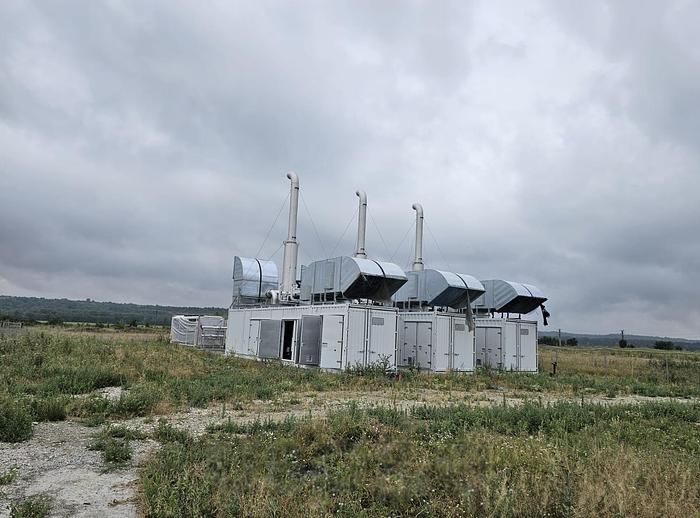
Parallel generator system installation

Parallel operation connects two or more generators through synchronization panels, allowing them to share electrical load automatically. Rather than relying on a single large generator, parallel systems distribute demand across multiple units — each running efficiently within its optimal load range.

This architecture enables N+1 redundancy: if one generator fails, the others carry the load without interruption. It also supports staged capacity growth — add generators as demand increases, without replacing existing infrastructure.

Why Choose Parallel Operation?

Single large generators create single points of failure and force operators to choose between over-sizing (costly) or under-sizing (risky). Parallel systems eliminate this compromise:

  • 1

    Scalability

    Problem: A single large generator cannot grow with your facility.

    Solution: Add parallel units incrementally as capacity requirements increase — protecting your initial investment while future-proofing your infrastructure.

  • 2

    N+1 Redundancy

    Problem: Any single generator is a potential point of total power failure.

    Solution: With N+1 configuration, one unit can be offline for maintenance or fault recovery while the remaining units maintain full load coverage.

  • 3

    Wet Stacking Prevention

    Problem: A single oversized generator running at low load degrades rapidly through wet stacking.

    Solution: Parallel systems keep each individual generator within its efficient load range, preventing wet stacking and extending engine life.

  • 4

    Online Maintenance

    Problem: Servicing a single generator requires full facility power down.

    Solution: In a parallel system, one unit can be isolated for maintenance while the rest continue supplying power — zero downtime servicing.

Operating Modes

  • Base Load Sharing

    All online generators share the total facility load equally. As demand rises or falls, the system automatically adjusts generator output and cycles units on or off for optimal fuel efficiency.

  • Island Mode

    The parallel system operates independently of the grid, providing complete self-sufficiency. Ideal for remote locations, grid-unreliable regions, or facilities requiring total energy independence.

  • Load Shedding

    In overload conditions, the control system automatically prioritizes critical loads and sheds non-essential circuits — maintaining power to life-safety and mission-critical systems.

Applications

Parallel generator systems are the preferred choice wherever power continuity and load flexibility are non-negotiable:

  • Data Centers

    Tier III and Tier IV data centers require concurrent maintainability and fault tolerance. Parallel generator systems meet both requirements with N+1 or 2N configurations.

  • Industrial Facilities

    Large manufacturing sites with variable load profiles benefit from parallel systems that match generator output precisely to demand, maximizing fuel efficiency.

  • Healthcare Facilities

    Hospitals and critical care facilities cannot tolerate power interruptions. Parallel systems provide the redundancy levels mandated by healthcare facility standards.

  • Large-Scale Events

    Festival sites, broadcast operations, and large outdoor events use parallel generator systems to distribute power loads and provide redundancy without single points of failure.

Technical Features

  • Automatic Synchronization Switchgear: Advanced AMF (Automatic Mains Failure) and synchronization panels manage generator start sequences, load sharing, and seamless transfer — all without operator intervention.

  • Comprehensive Protection Systems: Reverse power protection, differential protection, and overcurrent relays safeguard individual generators and the shared busbar from fault conditions.

  • Multi-Brand Compatibility: ElectroQuell parallel systems can integrate generators from different manufacturers and different power ratings — providing flexibility to work with your existing assets.

  • Remote Monitoring & SCADA Integration: Real-time telemetry, remote load management, and SCADA system integration give facilities teams full visibility and control of their parallel generator infrastructure.

Frequently Asked Questions

Parallel generator system background

Design Your Redundant Power Infrastructure

Speak with our parallel systems specialists to design an N+1 generator configuration tailored to your facility's load profile, redundancy requirements, and growth plans.